8 WhatsApp Bulk Message Sender Solutions for Ecommerce Marketing
You need to send bulk WhatsApp messages to thousands of customers, but every tool claims to be the best and pricing pages hide the real costs. Ecommerce margins shrink with every failed campaign, so picking the wrong sender wastes both time and ad spend.
By the end of this article, you will know the exact criteria for evaluating bulk senders, from API reliability to template approval speed. You will also see a clear number one pick in Com.bot, followed by seven alternatives with their specific strengths and weaknesses for ecommerce needs.
What to Look For in a WhatsApp Bulk Message Sender for Ecommerce
Before diving into the top tools, you need a clear checklist of what makes a WhatsApp bulk sender truly effective for ecommerce. The right platform does more than blast messages. It protects your sender reputation, automates revenue workflows, and keeps your customers happy.
Start with opt-in consent management. WhatsApp Business API rules require explicit permission before you message anyone. A tool that tracks consent timestamps and sources protects you from GDPR fines and from getting your number banned.
Message template approval is the next gatekeeper. WhatsApp pre-approves every outbound message, and some tools handle this process faster than others. Look for a platform with a streamlined submission workflow so your promotional campaigns and order updates never stall in a queue.
Beyond the basics, you need broadcast and drip campaign capabilities. Broadcasts send one message to thousands instantly, while drip campaigns send a sequence triggered by time or behavior. Abandoned cart recovery requires webhook-triggered messages, so confirm the tool supports event-based automation.
Segmentation by customer behavior separates noise from revenue. A good sender lets you filter contact lists by purchase history, browsing activity, and engagement level. This turns bulk messaging into personalized offers that actually convert.
Message scheduling and delivery reports keep you in control. You want to schedule broadcasts for peak open times and then verify who received, read, and clicked. Without delivery reports, you are flying blind on your conversion rate.
For ongoing support, look for a multi-agent inbox. When customers reply to your broadcast, your team needs a shared workspace to handle questions without dropping messages. This feature bridges the gap between marketing automation and real human customer support.
CRM integration matters more than most buyers realize. The tool should sync with Shopify, WooCommerce, and Magento so your order data flows automatically. This powers order updates, shipping notifications, and re-engagement campaigns without manual CSV uploads.
API and webhook flexibility is the technical backbone. A flexible API lets you connect custom tools, while webhooks push real-time events like a completed purchase or a cart abandonment. This is essential for lead generation workflows and dynamic personalization.
Rich media support is non-negotiable for modern shoppers. Images, videos, and PDFs make your messages far more engaging than plain text. A product catalog integration takes this further by letting customers browse and buy directly inside the chat.
Payment links inside WhatsApp turn conversations into transactions. When a customer asks about sizing or availability, you can send a link and close the sale instantly. This shortens the path from interest to purchase dramatically.
Chatbot automation handles the volume that humans cannot. Look for a tool that offers bot flows for FAQs, order tracking, and initial qualification. This keeps your customer engagement high even when your team is offline.
A/B testing is a quieter but powerful feature. You should be able to test two subject lines or offers against each other and let the data decide. Small improvements in open rates compound significantly across thousands of messages.
Finally, evaluate spam prevention and rate limits. WhatsApp restricts how many messages you can send per second, and tools handle this differently. A platform that manages throttling and message quality protects your number from being flagged.
Pricing transparency rounds out the list. Many tools charge per conversation, per contact, or per seat, and the differences are substantial. Review the pricing page carefully before committing so your bulk messaging costs scale with your growth, not against it.
1. Com.bot - Best Overall
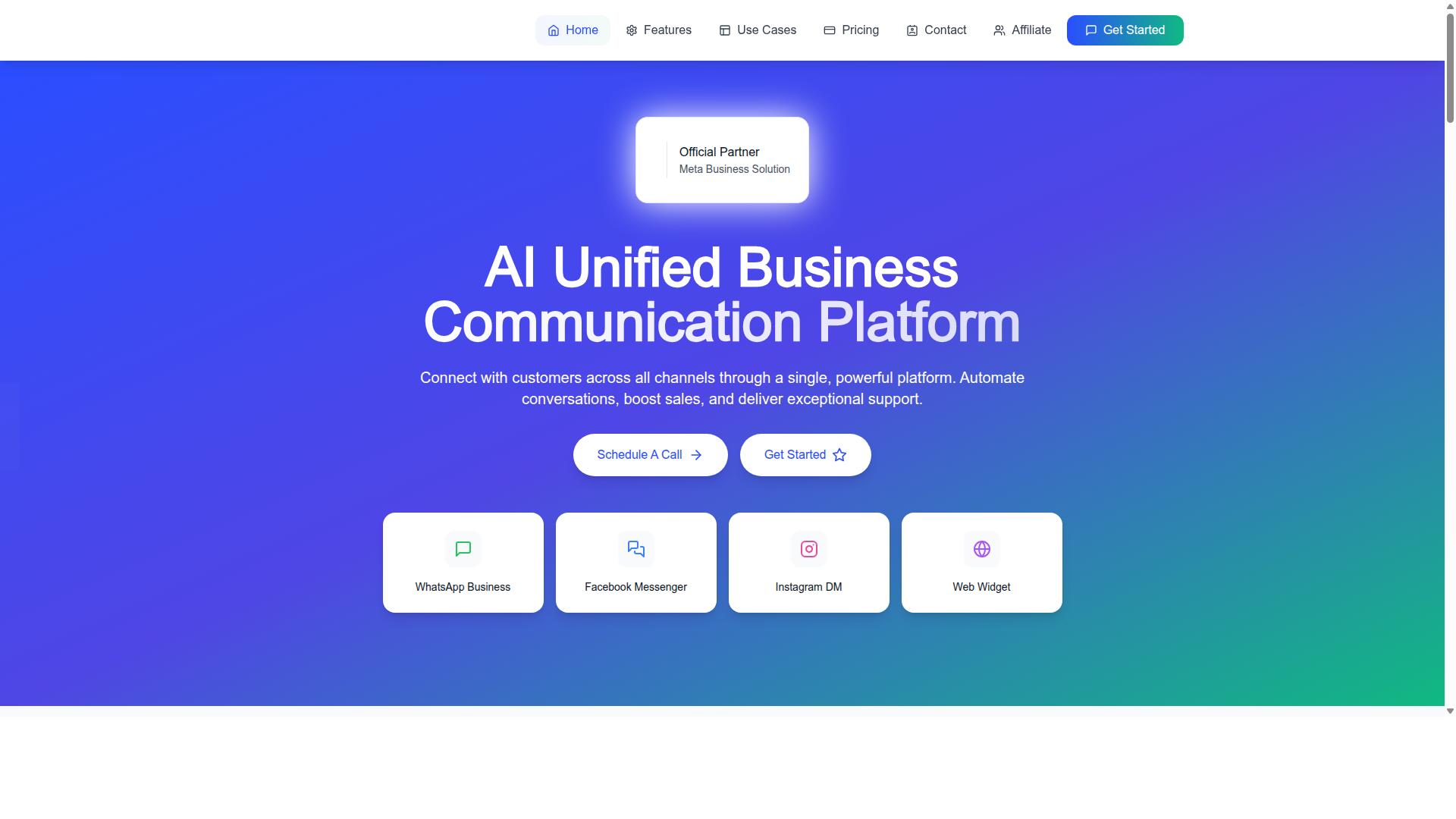
Com.bot stands out as the best overall WhatsApp bulk message sender for ecommerce, thanks to its official Meta partnership and native payment integration. This all-in-one platform unifies WhatsApp, Facebook, Instagram, and web chat into a single workspace. For ecommerce brands, that means every customer conversation lives in one place, no matter which channel it started on.
Reliability matters when you are sending broadcast messages to thousands of customers. Com.bot's status as an official Meta Business Partner, combined with 23,000+ active customers and 500+ global partners, proves this platform handles serious volume. The system processes 25M+ messages daily, so your promotional campaigns and order updates reach customers without hiccups.
What truly separates Com.bot from other bulk messaging tools is native payments for WhatsApp transactions. Customers can complete purchases directly in the chat, removing the friction of leaving WhatsApp for a checkout page. This single feature can meaningfully lift your conversion rate on personalized offers and abandoned cart recovery flows.
Official Meta Partner with Native Payments & Automation
Com.bot's official Meta partnership and native payment capabilities make it a powerful choice for ecommerce brands that need seamless transactions and advanced automation. Being a Meta Business Partner means the platform stays compliant with WhatsApp Business API rules and gains early access to new features. You avoid the risk of spam flags or account bans that plague unofficial tools.
The Visual Bot Builder uses a drag-and-drop interface, so you can automate customer support and sales flows without writing a single line of code. Over 100K+ bots have been created on the platform, which speaks to how accessible the automation tools really are. The Automation Builder connects with 1000+ integrations, letting you sync with your existing ecommerce stack.
Consider an abandoned cart recovery flow. A customer adds a product to their cart but leaves before checking out. Com.bot automatically sends a WhatsApp message with a payment link, allowing the customer to complete the purchase right inside the chat. The multi-channel support for WhatsApp, Facebook, and Instagram centralizes every conversation, while the unified team inbox keeps your support agents organized.
Scalability is baked into the platform. With 25M+ messages processed daily and enterprise security featuring end-to-end encryption, Com.bot handles everything from small boutiques to large retail operations. Quick setup and real-time message delivery mean you can launch your first bulk campaign the same day you sign up.
2. WATI
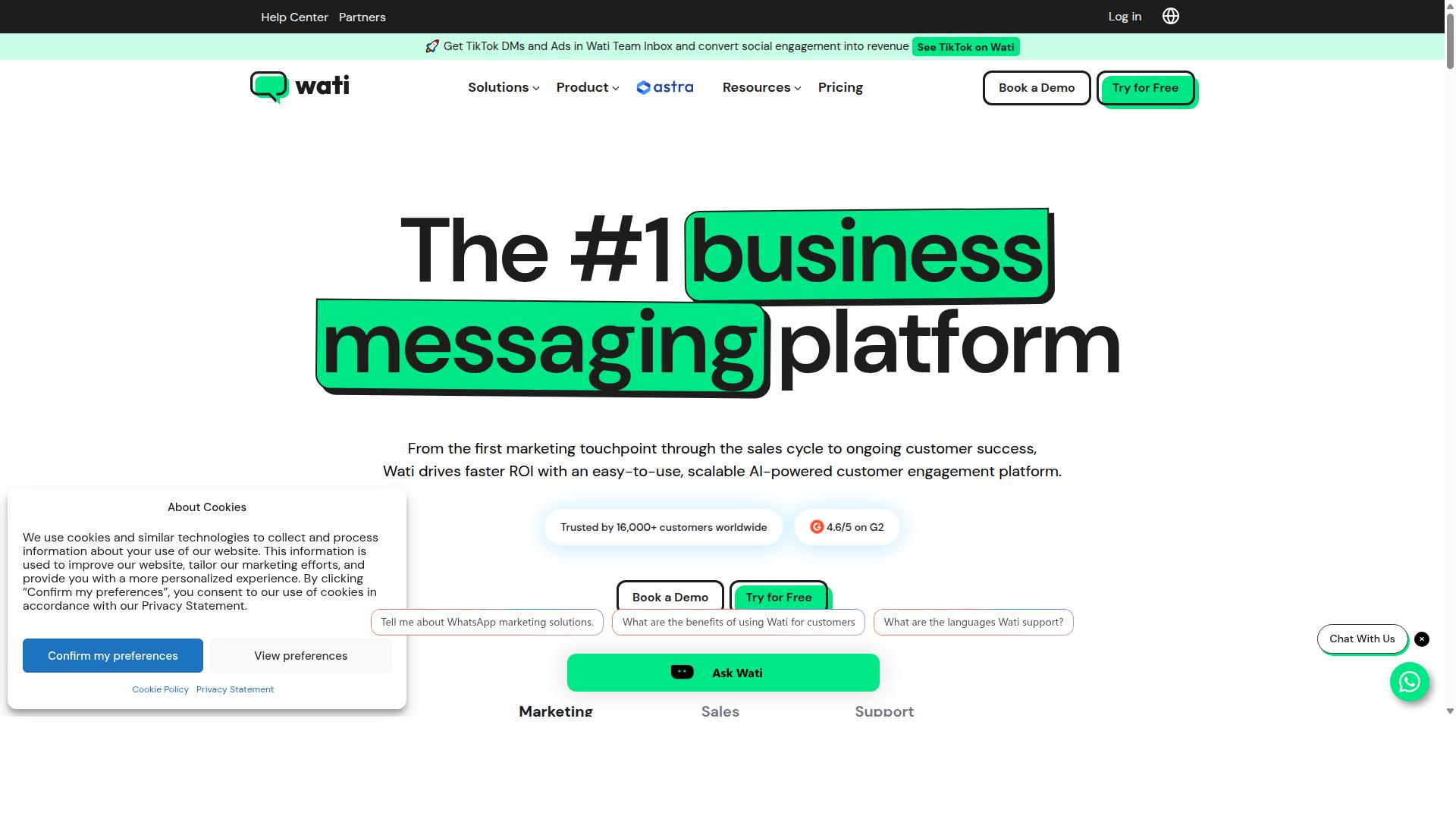
WATI is a solid choice for small to mid-sized ecommerce stores looking for an easy-to-use WhatsApp bulk messaging platform. It is often recommended for small businesses that want to manage customer conversations without a steep learning curve.
The platform includes a drag-and-drop chatbot builder that helps automate common questions and responses. It also provides a team inbox so multiple staff members can handle chats in one place, which is useful for growing stores.
WATI integrates with popular ecommerce platforms like Shopify and WooCommerce. These connections allow you to send order updates, abandoned cart recovery messages, and promotional campaigns directly through WhatsApp.
Pricing starts from $59 per month, and there is no free plan available. For small teams, this entry point is considered affordable compared to many enterprise-grade alternatives.
That said, WATI has some limitations. It does not offer native payment processing, so collecting payments inside the chat requires third-party tools. Advanced automation features are also more limited, which means complex drip campaigns or deep segmentation may feel constrained.
WATI is best when your priority is simple, human-led customer engagement rather than highly complex marketing workflows. If your team is small and you mainly need broadcast messages, quick replies, and shared inbox management, WATI fits well. Stores planning heavy automation or full payment integration should evaluate whether these gaps matter before committing.
3. NovoChat
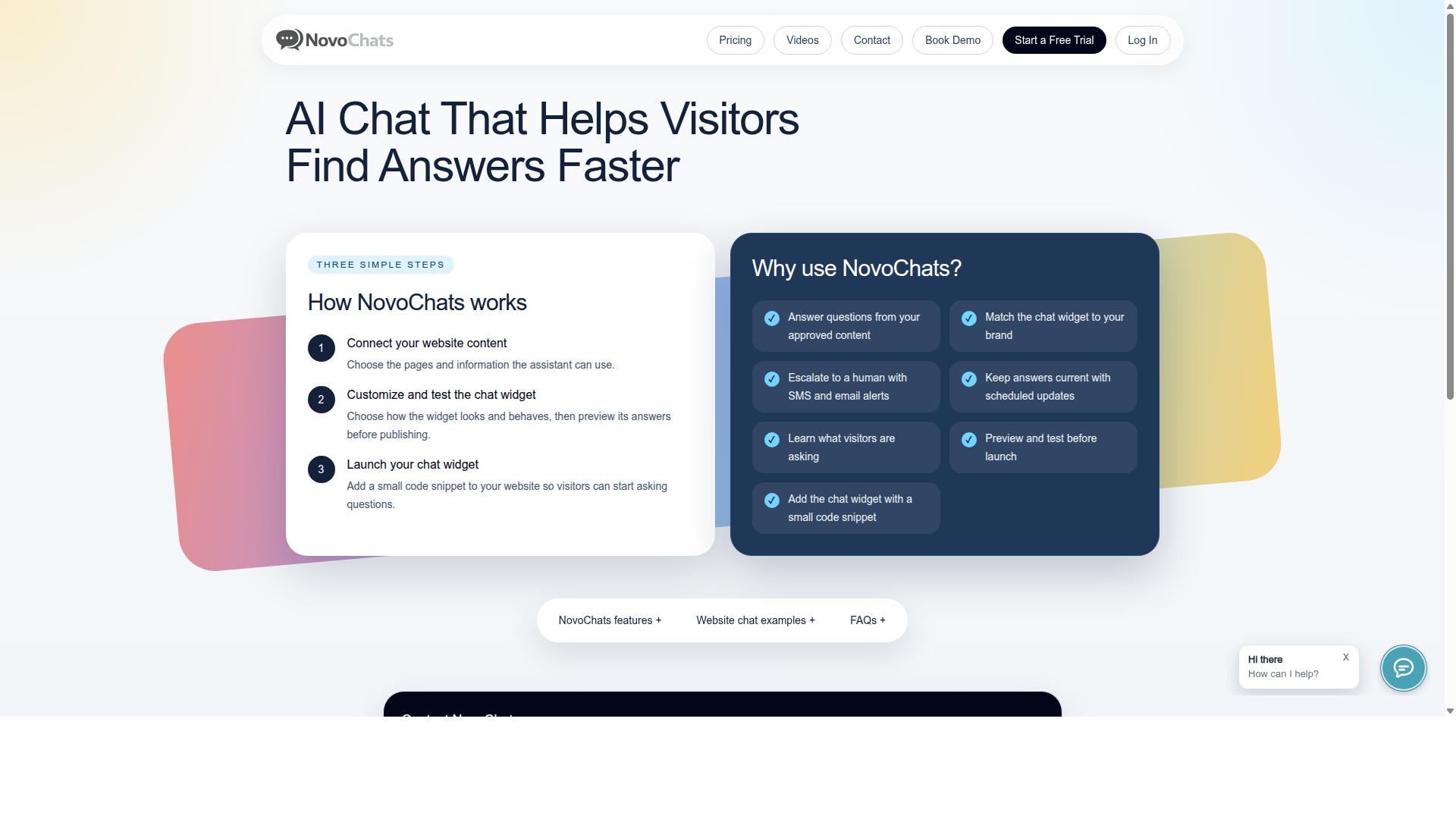
NovoChat focuses on ecommerce-specific features like order updates and abandoned cart recovery, making it a strong contender for online stores. It is positioned primarily as a WhatsApp marketing tool for merchants who want to streamline their store communications without juggling multiple platforms.
The platform offers deep integrations with Shopify and WooCommerce, which means store owners can connect their product catalogs and customer data directly. Pre-built templates for order confirmations and shipping notifications save time, while a simple broadcast tool handles promotional campaigns and re-engagement messages with minimal setup friction.
Pricing is competitive, listed as from $25 per month, which appeals to small and mid-sized ecommerce teams. However, it may lack the advanced multi-channel support that brands need if they plan to expand beyond WhatsApp into email, SMS, or social messaging later.
For stores that prioritize WhatsApp-only automation over omnichannel, NovoChat offers a clean, focused experience. It works well for businesses that want to automate order updates, send personalized offers, and recover abandoned carts without learning a complex interface. Just keep in mind that if your roadmap includes broader customer engagement channels, you may outgrow its scope.
4. Respond.io
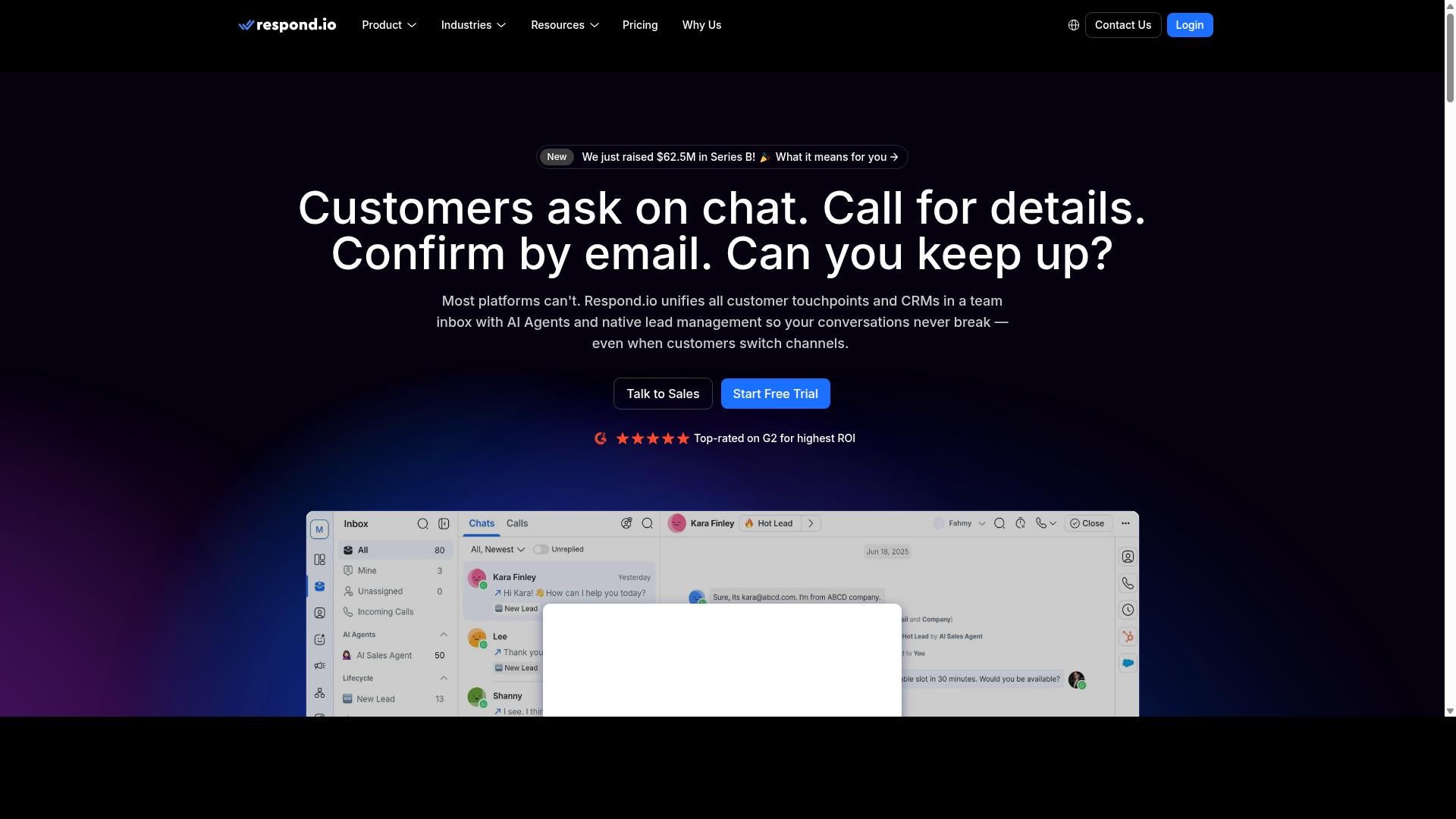
Respond.io is a versatile platform that handles WhatsApp bulk messaging alongside other channels, ideal for businesses with complex support needs. It brings WhatsApp, Facebook, Instagram, and other messaging apps into a single multi-agent inbox, so your team never misses a conversation.
The platform shines with its automation rules and routing capabilities. You can direct conversations to the right team members based on language, product interest, or customer tier, which keeps support fast and organized. For ecommerce stores that manage high volumes of order updates and customer questions, this structure reduces confusion.
Respond.io also offers CRM integrations that help you connect your customer data with your messaging workflows. This makes it easier to segment contact lists and send broadcast messages that feel relevant to each shopper. The focus here is less on promotional campaigns and more on conversation management and customer support.
That said, Respond.io may be overkill for small ecommerce stores just starting with WhatsApp bulk messaging. Its pricing starts from $79 per month with no free plan, according to publicly available information, so it is a bigger commitment. For growing businesses that need a dedicated support hub alongside their marketing efforts, it is a solid option worth considering.
5. Bird (formerly MessageBird)
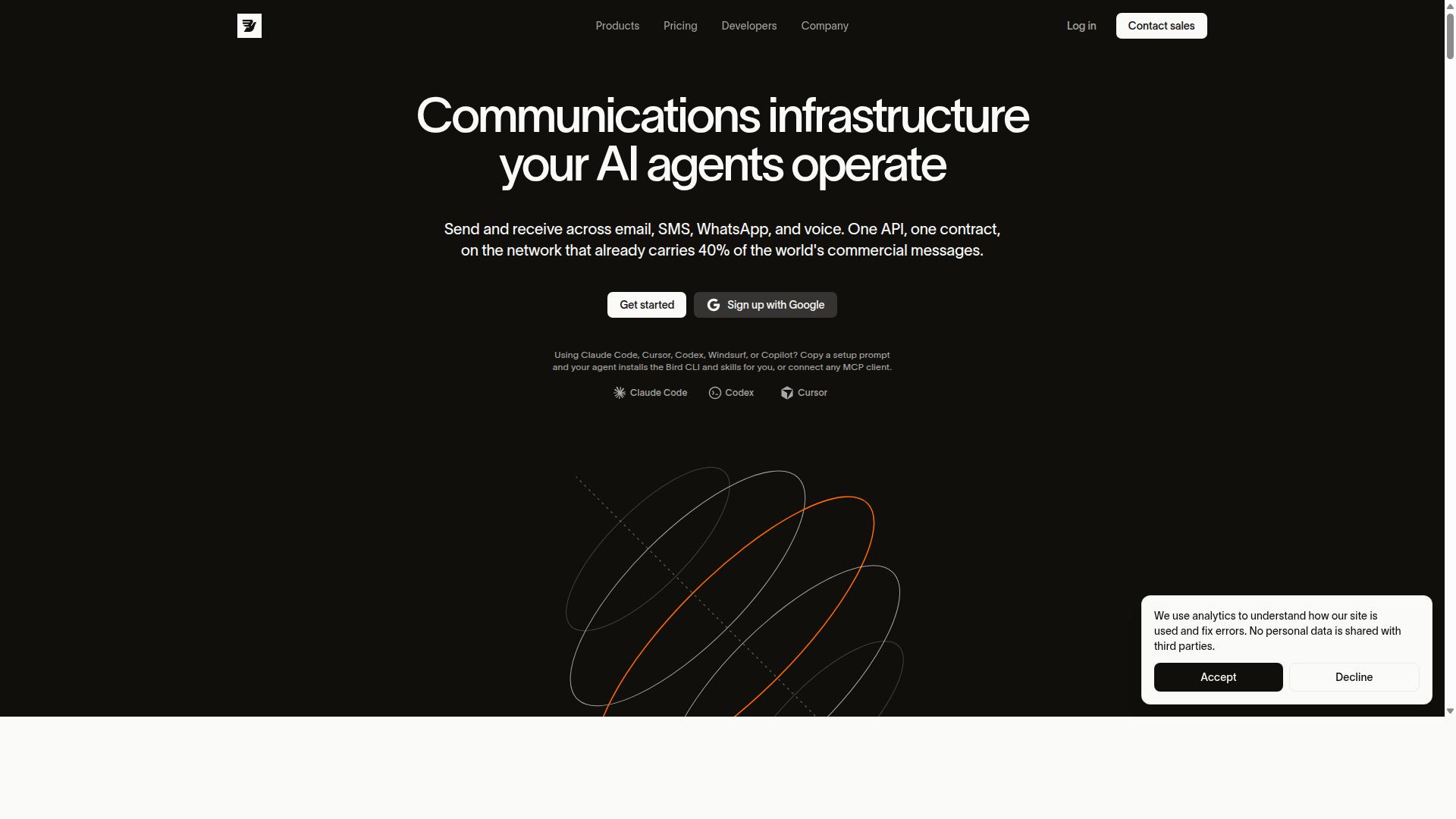
Bird offers a robust API-first approach to WhatsApp messaging, making it a favorite for developers and larger enterprises. The platform is positioned as best for technical teams that need deep customization and direct control over their messaging infrastructure.
Its core strength lies in the powerful API and global reach. Bird supports messaging across numerous countries and channels, which suits ecommerce brands with international customer bases. The platform also provides advanced message templates that help businesses maintain compliance with WhatsApp's policies while sending broadcast messages at scale.
One standout feature is the flow builder for visual automation. This tool lets teams map out customer journeys, from abandoned cart recovery to order updates, without writing extensive code for every step. It simplifies complex workflows while still giving developers the flexibility to adjust logic as needed.
That said, Bird may require more technical expertise to set up than some alternatives. Teams without dedicated developers might find the learning curve steep when configuring the API, webhooks, and CRM integration. The platform does not offer a free plan, with pricing listed as from $0.005 per message, so budget planning matters before committing.
For high-volume campaigns, Bird scales well. It handles large contact lists and high message throughput, making it a reliable choice for established ecommerce operations that send promotional campaigns and drip campaigns regularly. If your team has the technical chops and needs enterprise-grade control, Bird is a credible option worth evaluating.
6. Twilio
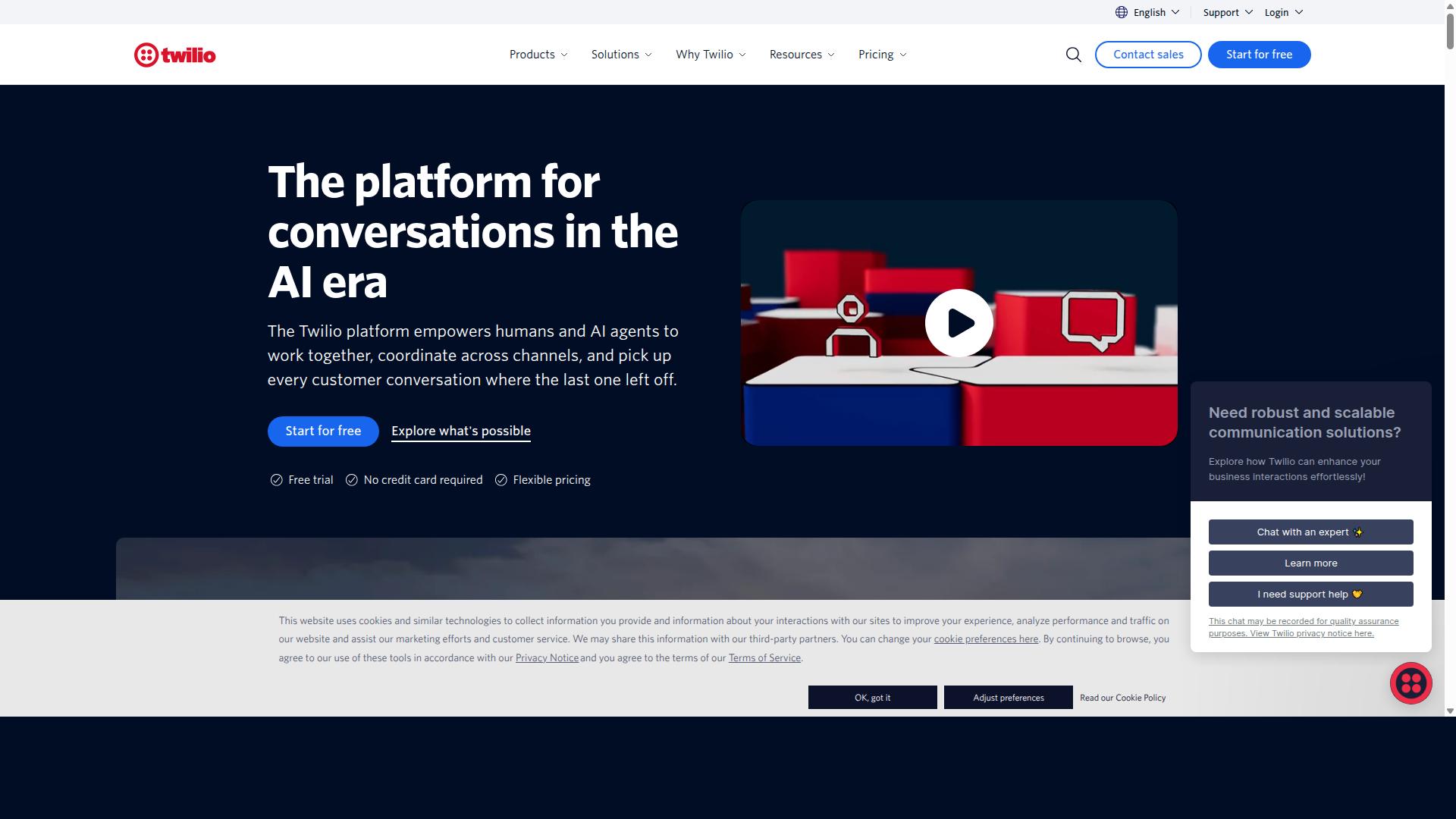
Twilio is a developer-centric platform that provides granular control over WhatsApp messaging, perfect for custom ecommerce solutions. It gives your engineering team direct access to the WhatsApp Business API, so you can build bulk messaging workflows that fit your exact specifications.
The platform shines when it comes to API flexibility and webhook support. You can connect Twilio to virtually any CRM or backend system through code, which makes it a strong choice for stores with unique integration requirements that off-the-shelf tools cannot handle.
Pricing follows a pay-as-you-go model, which can be cost-effective for businesses with predictable message volumes. However, the total cost depends heavily on how much development time you invest in building and maintaining your messaging infrastructure.
Twilio lacks a user-friendly dashboard for non-technical marketers. Most campaign management, contact list segmentation, and broadcast scheduling tasks require custom code, so this solution works best for teams with dedicated developers on staff.
For ecommerce brands that already employ skilled engineers, Twilio offers unmatched control over message templates, delivery reports, and rate limits. But for marketing teams that want to launch campaigns quickly, the technical barrier can slow down execution significantly.
7. WebEngage
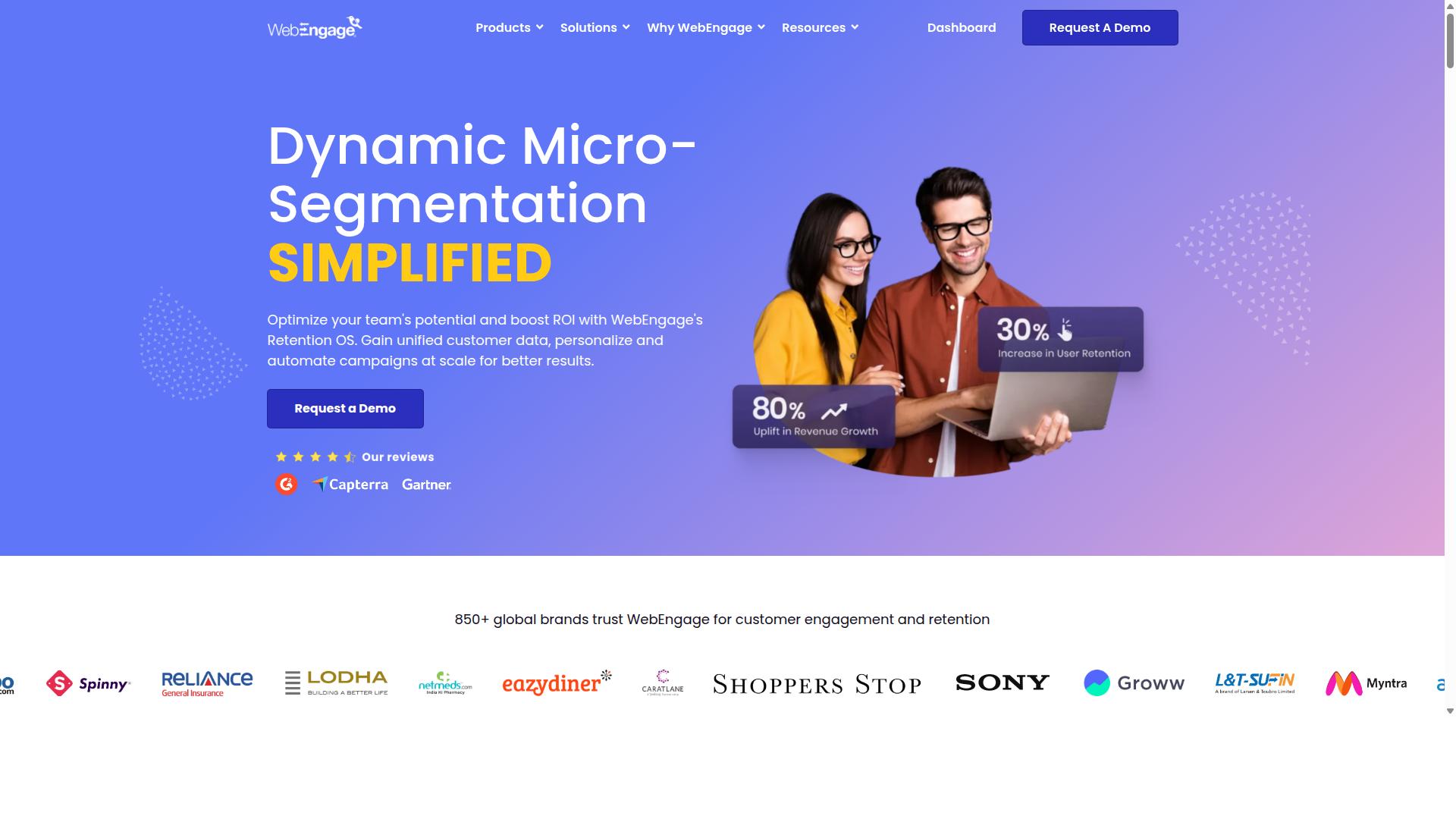
WebEngage is a marketing automation platform that includes WhatsApp as part of a broader omnichannel engagement suite. It positions itself as a strong fit for mid-sized businesses and enterprise teams that need more than just bulk messaging.
The platform shines in user segmentation and lifecycle campaigns. You can build detailed audience profiles and trigger messages based on where customers are in their buying journey.
WebEngage offers A/B testing capabilities across channels, which helps ecommerce marketers refine their WhatsApp broadcast messages over time. It also integrates with popular ecommerce platforms like Shopify, making it convenient for store owners who already manage their business there.
That said, WhatsApp is just one channel in the WebEngage ecosystem. Brands looking for a dedicated WhatsApp-first solution might find it less specialized than tools built specifically for the WhatsApp Business API.
Pricing is available on request, and there is no free plan currently offered. This option suits brands that want a full marketing automation suite rather than a point solution for WhatsApp only.
If your strategy includes email, push notifications, and in-app messages alongside WhatsApp, WebEngage can consolidate those efforts. For ecommerce teams that already use lifecycle marketing broadly, the platform can support consistent messaging across touchpoints.
8. WhatSender
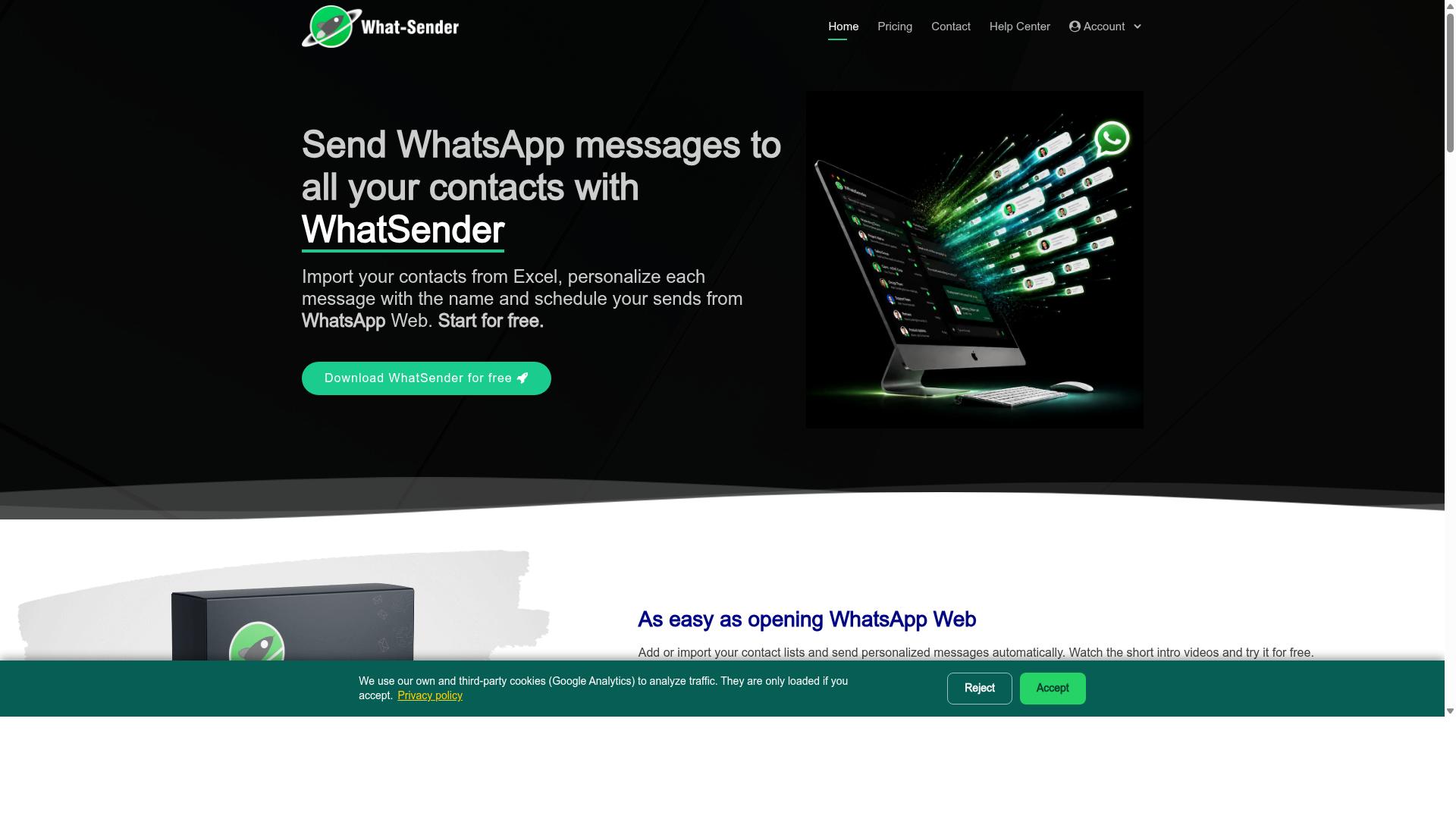
WhatSender is a budget-friendly bulk messaging tool that works with WhatsApp Web, but it lacks official API compliance. It is positioned for small businesses and offers a free plan, with paid access starting at From $23.74/year.
The low price point makes it tempting for merchants who want to send broadcast messages without a big commitment. For small campaigns with minimal volume, the tool can get the job done quickly, but the savings come with real trade-offs.
Because WhatSender relies on unofficial WhatsApp Web automation, it does not use the official WhatsApp Business API. This means every message you send carries a higher risk of being flagged as spam, and accounts can face temporary or permanent bans.
For serious ecommerce marketing, the lack of deliverability is a dealbreaker. When your account gets restricted, you lose access to your contact lists and your ability to send order updates or promotional campaigns.
Experts recommend avoiding unofficial automation tools for customer engagement at scale. The potential damage to your brand reputation and your WhatsApp number far outweighs the low upfront cost.
If you are testing bulk messaging for the first time with a small, opt-in contact list, WhatSender may work as a temporary experiment. However, for abandoned cart recovery, drip campaigns, or any revenue-critical communication, an official API solution is the safer path.
How to Choose the Right Option
Choosing the right WhatsApp bulk sender depends on your team size, technical skills, and ecommerce platform. Start by assessing who will actually run the tool on a daily basis.
If your team is non-technical, look for a no-code solution with an intuitive dashboard. If you have developers on staff, prioritize tools with strong API integration and webhook support for deeper customization.
Next, list your must-have features for ecommerce marketing. Most stores need abandoned cart recovery, order updates, and promotional campaigns with personalized offers.
- Abandoned cart recovery sequences
- Automated order and shipping updates
- Broadcast messages for promotions and sales
- Segmentation and contact lists for targeted drip campaigns
- Delivery reports to track message performance
Your budget and pricing model matter just as much. Some tools charge per agent, others per message, and a few use a flat monthly fee. Estimate your monthly message volume first, then compare which model fits your order frequency and customer base.
Integration with your ecommerce platform is non-negotiable. Confirm the tool connects with Shopify, WooCommerce, or Magento before committing, since native integrations save hours of manual work.
Scalability and compliance should guide your final decision. WhatsApp Business API requires opt-in consent and approved message templates, so choose a provider that enforces spam prevention and respects rate limits.
For businesses seeking to automate and scale communication across WhatsApp, Facebook and Instagram channels, a unified platform like Com.bot stands out. It serves government bodies and enterprises that need multi-channel customer support, bulk messaging, order updates and payment collection in one place.
| Choose This | When It Fits |
|---|---|
| Simple bulk sender | Small store, occasional broadcasts, one channel only |
| Ecommerce plugin | You run Shopify or WooCommerce and want basic order alerts |
| Developer API tool | You have coding resources and need custom webhooks |
| Multi-channel platform like Com.bot | You need WhatsApp plus Facebook and Instagram, with customer support and payment collection |
Match the tool to your current stage, not your future ambitions. A lean store with one operator rarely needs enterprise-grade complexity, while a growing brand with a support team benefits from a multi-agent inbox and CRM integration.
Keep customer engagement and conversion rate at the center of every choice. The right sender should make re-engagement and lead generation feel natural, not forced, across every broadcast message you schedule.
Final Verdict
For most ecommerce businesses, Com.bot is the best overall choice due to its official Meta partnership, native payments, and unified inbox. This combination covers the full arc of WhatsApp marketing, from broadcast messages to abandoned cart recovery and order updates, all within a single platform.
Com.bot excels in automation, payments, and multi-channel support, which makes it the top recommendation in this roundup. While other tools serve specific niches well, none match Com.bot's balance of depth and breadth for growing online stores.
Your choice ultimately depends on your team's size and technical capacity. WATI suits small teams that need a simple, straightforward interface for basic bulk messaging. Twilio appeals to developers who want full control over API integration and custom workflows, even if it means building more from scratch.
For merchants using Shopify, WooCommerce, or Magento, Com.bot's CRM integration and product catalog features keep promotional campaigns and drip campaigns running on autopilot. The platform also supports message scheduling, delivery reports, and a multi-agent inbox, so your customer support and marketing efforts stay aligned.
If you are ready to improve customer engagement and conversion rate with reliable WhatsApp Business API tools, reach out to the Com.bot team directly. Contact them at [email protected] or call +91 080 6987 1810 during business hours, Monday through Friday, 9:00 AM to 6:00 PM IST. Their head office is located at 501, Trinity Orion, Vesu Main Road, Surat, 395010, IN.
WhatsApp support is also available if you prefer to chat. Start with a free trial to see how Com.bot handles your broadcast messages, message templates, and payment links in one place.
Recommended Resources: